

Ever wondered why sports are called what they’re called? Some names sound elegant, others feel oddly specific, and a few seem completely random.
However, behind each one is a story that stretches across languages, cultures, and centuries. That’s exactly what makes exploring the unique etymologies of popular sports so fascinating.
In this article, you’ll uncover how everyday sports terms evolved from ancient words, royal traditions, and even accidental naming moments. Whether you’re a language lover or just someone curious about why “badminton” doesn’t sound like a sport at all, you’re in for a fun and surprising ride.
What are the Unique Etymologies of Popular Sports?
The unique etymologies of popular sports are the origin stories behind the names of games people know around the world. Some sports names come from places. Others come from older languages, such as French, Greek, or Tibetan.
Looking at the etymology of sports is useful because it connects language study with culture, migration, class history, and even colonial contact. A sport’s name is often a tiny history lesson hiding in plain sight.
- Badminton
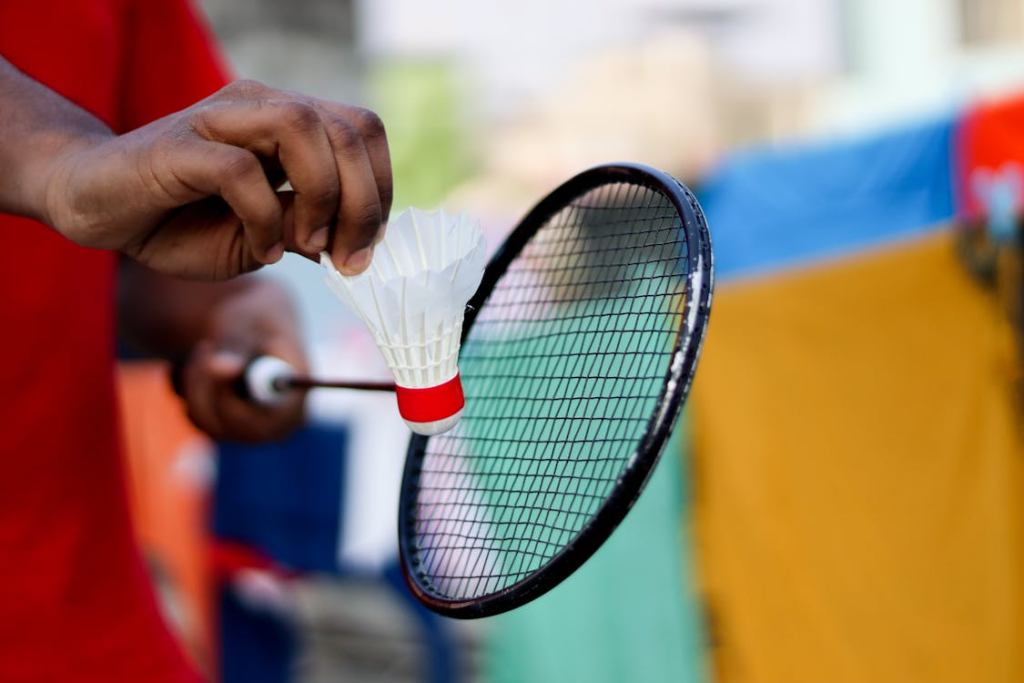
Badminton has one of the most elegant naming stories in sports. Most dictionaries trace the word to Badminton House, the seat of the Dukes of Beaufort in England. The modern game became associated with that estate in the 19th century. However, some sources note that the exact historical link is not perfectly documented.
- Golf
The word golf is generally traced to Scots usage, with deeper links to Dutch forms such as kolf or colf, words associated with clubs or a club-and-ball games. That makes sense when you think about the sport’s central object: hitting a ball with a club.

The popular joke that golf stands for “gentlemen only, ladies forbidden” is not real etymology at all. It is a modern backronym. The real story is older, linguistic, and much more interesting.
Among the unique etymologies of popular sports, golf stands out because its name reflects long contact between Scots and continental Germanic language traditions.
- Pickleball
Pickleball has a more recent and more contested naming history than most sports on this list. According to the sport’s official history, the game was created in 1965, and the name has often been linked to the Pritchards’ dog, Pickles.

However, another explanation from the founders’ family says the game was named after the “pickle boat” idea, meaning a crew made up of mixed leftovers, which matched the sport’s mix of influences from tennis, badminton, and ping-pong.
- Tennis
Tennis likely comes from the Anglo-French call tenez, meaning something like “take this,” “hold,” or “receive.”
The server probably shouted this before play began in the sport’s medieval ancestor. That means the name may have started as a spoken warning in court and later became the game’s title.
The sport itself traces back to French handball traditions like jeu de paume. Still, the word “tennis” preserves the sound of a player addressing an opponent from centuries ago.

- Boxing
The name boxing comes from the verb box, meaning to strike with the fist or hand. It traces back to a verbal noun and became a sporting name from the early 18th century. In other words, the sport is quite directly named after the act it involves.

- Lacrosse
Lacrosse did not begin as a French game, but its modern English name came through French. It has a literal meaning of “the crooked stick,” and came from the phrase jeu de la crosse, meaning “game of the hooked sticks.”
The sport itself originated among Native communities in North America long before Europeans named it. That makes the etymology especially important to explain carefully.

The game’s current name reflects the French observation of the stick used in play, rather than the original Indigenous names for the sport. Linguistically, lacrosse is a reminder that naming often reflects contact between cultures, not origin alone.
- Polo
The English word polo is widely traced to the Balti word pulu, meaning “ball.” That is delightfully straightforward. Instead of naming the horse, the field, or the mallet, the sport took its name from the ball itself.
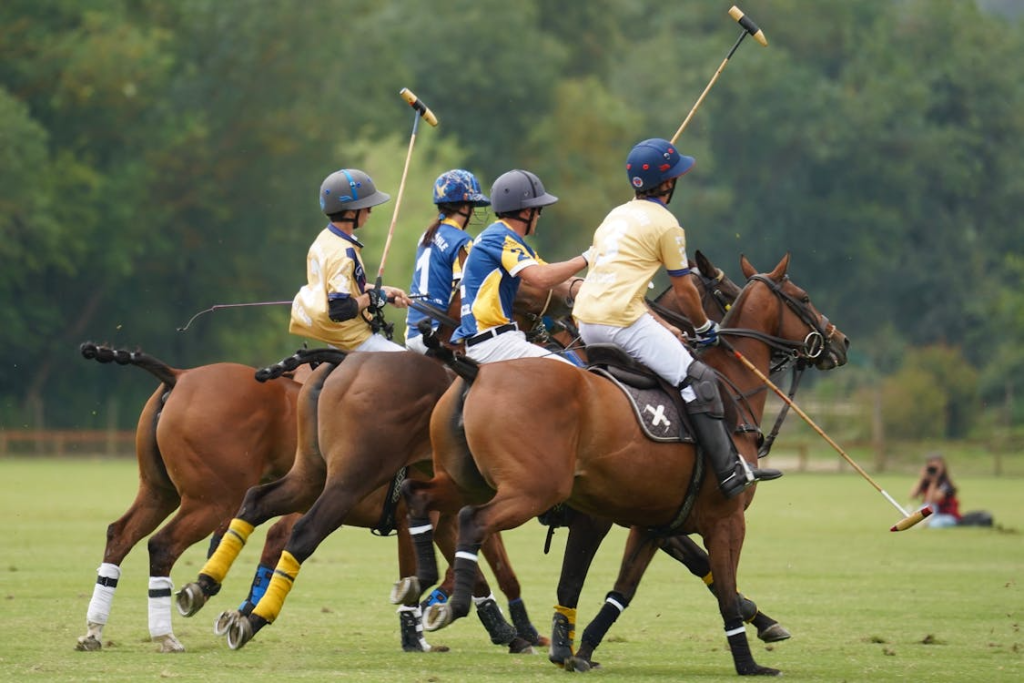
Many people associate polo with aristocratic British culture, but the etymology points elsewhere, toward the history of Central and South Asian languages. The game’s deeper sporting past reaches back to Persia and surrounding regions. Still, the English word reflects a Tibetic-language form.
- Soccer
Soccer is one of the most misunderstood sports in English. It is not originally American slang. It is thoroughly British in origin.
The word came from Assoc., short for association football, with the playful Oxford-style suffix -er added. That produced forms like socca, socker, and eventually soccer. The term helped distinguish association football from rugby football. So the word that many people now treat as foreign to Britain actually began there.

- Gymnastics
The word gymnastics comes through Latin from Greek gymnastikos, related to gymnos, meaning “naked.” That may sound surprising at first, but it reflects that athletic training in ancient Greece was often performed unclothed. The root also appears in the gymnasium.

- Rugby
Rugby is a classic place-name sport. The word comes from Rugby School in England, where the game became associated with a distinct set of football rules in the 19th century.
In other words, the sport was named after where its formal style took shape, rather than after the ball, the players, or the action.

- Cricket
The etymology of cricket is famously uncertain, which makes it especially fun for language learners. Sources have connected it to possible French, Dutch, or broader Germanic roots. One theory links it to an old word for a stick or staff, which fits the bat-and-ball nature of the game.
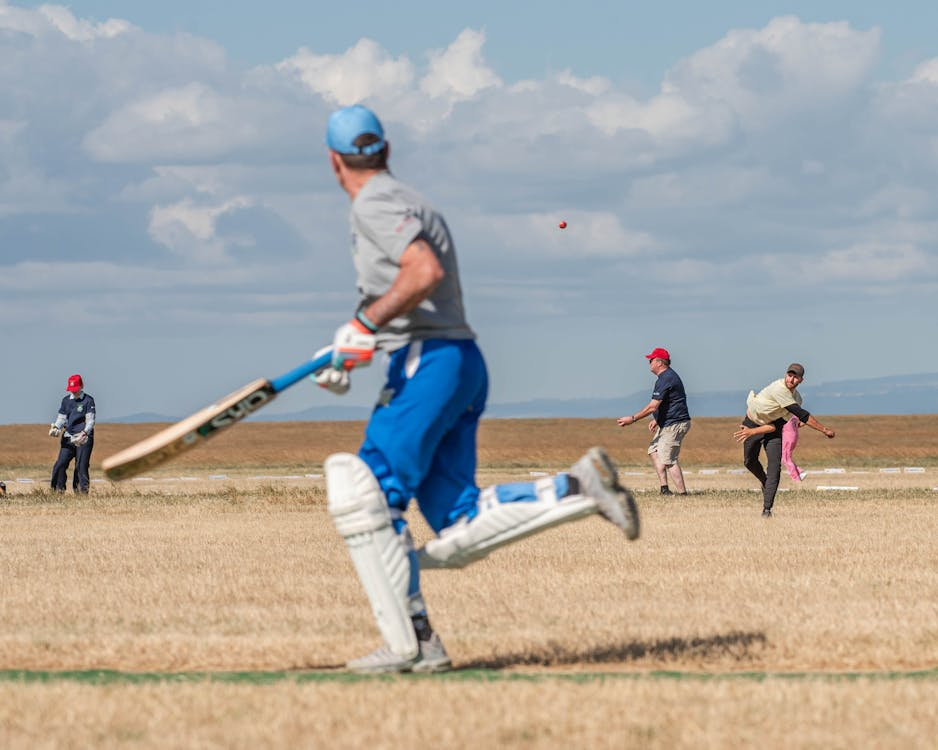
Another possibility connects it to related continental forms. What matters most is that experts do not present one absolute answer. That uncertainty is valuable because it shows how etymology often operates on probabilities rather than certainties.
- Hockey
The word hockey is generally traced to French hoquet, meaning “shepherd’s crook,” which likely refers to the bent shape of the stick.
Instead of naming the game after ice, speed, or goals, the word probably points to the tool players use. Like lacrosse, it is another case in which the stick seems to have guided the naming.

- Basketball
Basketball may be one of the most transparent sport names ever coined. It’s recorded as American English from 1892, from basket + ball. However, it’s worth noting that James Naismith invented the game much earlier in 1891.
The name was literal because the original goal really was a basket, specifically a peach basket.

- Baseball
The word baseball dates back at least to the mid-18th century. Linguistically, it is also quite transparent: base plus ball.
The interesting part is not the structure but the history around it. People sometimes repeat myths about a single inventor or claim that famous literary figures coined the term. Still, dictionary evidence shows the word was already in use earlier.

- Football
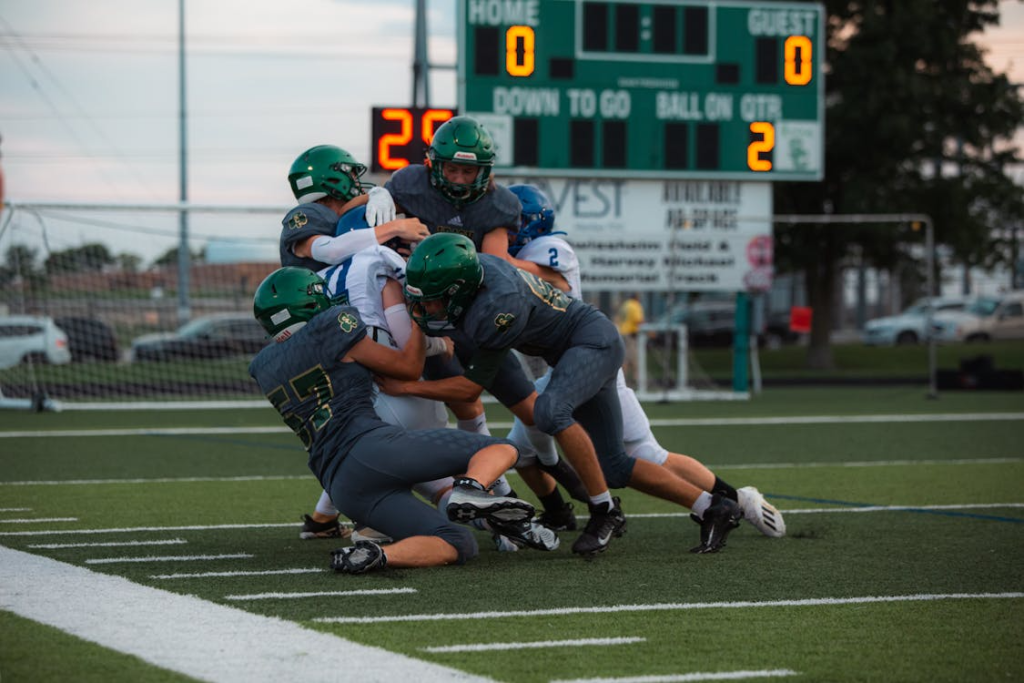
Football is an old English compound from foot + ball, recorded in Middle English. It shows early use around 1400 for an outdoor ball game, and even earlier references to the ball itself.
Scholars and enthusiasts have debated the exact reason for the name. Some argue it refers to a ball kicked with the foot, while others connect it to games played “on foot” rather than on horseback.
Why Sports Etymology Is Worth Studying
Sports etymology provides learners with a practical way to connect vocabulary to culture, geography, and memory. Instead of memorizing isolated definitions, you attach each word to a story. That makes retention much stronger.
For readers exploring language on platforms like Lingowar, this topic is especially useful because it blends history with everyday vocabulary people already recognize.
FAQs
Why is learning the etymology of sports words useful for English learners?
Learning the etymology of sports terms helps English learners remember vocabulary more naturally because each term carries a story. Instead of treating words like random labels, you begin to see patterns in how English borrows from French, Greek, Dutch, and many other languages. That improves both memory and reading comprehension.
Sports words are also useful because many of them appear in daily conversation, media, and idioms. When learners understand why words like soccer, tennis, or rugby have those names, they gain both cultural knowledge and language insight. It turns vocabulary study into something more vivid, human, and easier to recall later.
Conclusion
From aristocratic estates to ancient Greek practices, the unique etymologies of popular sports reveal how language evolves alongside culture.
Visit more blog posts on Lingowar and keep building your vocabulary through origins, usage, and other language details that make words easier to remember.

![15 Daily Vocabulary Habits to Improve Your English Skills [Tips]](https://lingowar.com/blog/wp-content/uploads/2025/07/2.jpg)