
In a world where Netflix subtitles teach you more French than your old textbook ever did, self-study has become the modern way to master languages faster.
Traditional classrooms are helpful, but they often move at the speed of the slowest learner. You, however, can move at your own speed.
By applying the following self-study habits for language learning, you’ll boost fluency, retention, and confidence. These aren’t recycled clichés. They’re practical, science-backed habits that actually work.
What are the Best Self-Study Habits for Language Learning?
The best self-study habits for language learning are simple, repeatable actions you can sustain for months.
They work with how your brain remembers information, not against it. Research on self-regulated learning shows that learners who plan, monitor, and adapt their study processes achieve better outcomes than those who follow only fixed classroom routines.
The habits below focus on four pillars:
- Clear goals and tracking
- Smart use of time and repetition
- Balanced input and output
- Reflection, feedback, and adjustment
You can start with two or three habits and layer in the rest over time.
- Set Specific, Trackable Goals
You need direction. Without clear goals, studying becomes aimless and progress stalls.
A good language-learning goal is specific, measurable, realistic, and time-bound. For example, “Learn 200 Spanish verbs in 8 weeks” works. A vague goal like “get better in Spanish” doesn’t. Having clear milestones gives you something concrete to track.
- Write down what you want to achieve (vocabulary size, grammar mastery, conversation fluency).
- Break it into smaller weekly or monthly targets.
- Use a simple log or spreadsheet to track progress (words learned, grammar rules reviewed, time spent).
This practice keeps you accountable. It transforms “maybe someday I’ll be fluent” into “by July, I’ll know 1,500 new words and hold a 5-minute conversation.” Once you hit a milestone, you feel real progress, and that fuels motivation.

Having trackable goals also lets you reflect and adjust. If you aimed to learn 500 words in a month but only managed 200, you might rethink your pace or study method. Self-awareness is vital for efficient learning.
- Build a Consistent Micro-Study Routine
You don’t need hours at a time. Short, frequent sessions, done regularly, often outperform long but erratic blocks.
Micro-learning means studying in small, manageable chunks. Think 10–20 minutes per session, several times a day or week. It fits better into busy lifestyles. It reduces mental fatigue and increases your likelihood of sticking with it.
Why this works:
- Micro-studies lower the barrier to starting. When you only need a few minutes, you’re less likely to skip.
- Short sessions increase focus and reduce burnout. Your brain stays sharp for 10–20 minutes. More time could mean diminishing returns.
- Frequent repetition helps reinforce learning without overloading memory.
You could: review flashcards during a commute, listen to a short podcast while cooking, or read one paragraph of a news article before bed. Over time, those small bursts add up, and you’ll be surprised by how much that consistent drip leads to real improvement.
- Mix Input and Output
Learning a language isn’t just about remembering words. You need to absorb the language (input) and produce it (output). Combining these makes learning more balanced and effective.
Input includes reading, listening, or watching content in your target language. Output covers speaking or writing. Research shows that both are crucial for overall competence.
Here’s why mixing works:
- Input builds your understanding of vocabulary, grammar, and natural rhythm. Without it, output often feels forced or unnatural.
- Output forces your brain to retrieve, reorganize, and use what you learned. It strengthens memory and deepens understanding.
Effective self-study habits for language learning include reading a short article in your target language and summarizing it aloud (output). You can also watch a video, then write or speak a reaction or summary.
Mixing input and output prevents passive learning. It ensures you don’t just accumulate knowledge.
- Use Spaced Repetition Systems (SRS)
Spaced repetition is one of the most powerful techniques for long-term memory. It beats cramming every time.
SRS works by reviewing information at increasing intervals, right before you’re likely to forget. That timing strengthens long-term retention.

Here’s how to apply it effectively:
- Use flashcards (digital or physical) for vocabulary, grammar rules, chunks, or phrases.
- Review the cards at expanding intervals, soon after learning, then longer gaps.
- Revisit items you struggle with more often; gradually increase intervals for items you know well.
Studies show that even 3 minutes a day using spaced-repetition tools significantly boosts vocabulary retention. Sometimes, it’s three times more effective than a traditional review process.
- Create Real-World Immersion
You don’t need to move to another country to immerse yourself. “Real-world immersion” can happen in your daily routine, using media, social media, culture, or local communities.
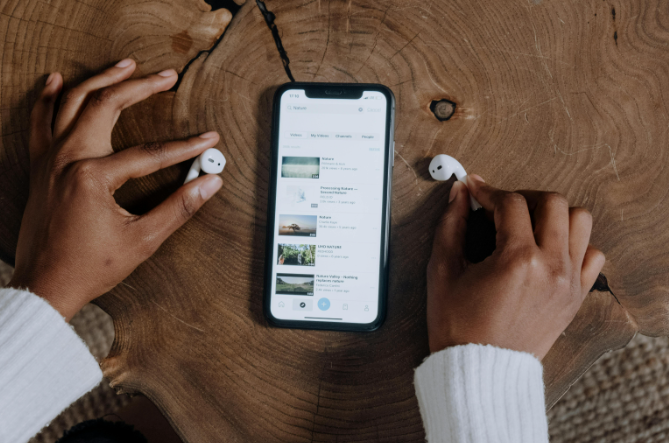
Here’s how to build immersion at home:
- Set your phone or computer interface to the target language.
- Follow social media accounts, watch movies/series, listen to songs or podcasts in the language.
- Read news articles, blogs, or books, even if just a few paragraphs daily.
- Label household items with their names in the target language (sticky-note style).
Immersion offers continuous, passive exposure. The kind of “input flood” that helps internalize vocabulary and structure. It echoes principles from the Growing Participator Approach.
Frequent, low-stakes exposure lets you gradually absorb patterns without pressure. Over time, you begin thinking more naturally in the language.
- Record Yourself Speaking
It’s easy to think you speak well, but hearing yourself gives honest feedback. Recording your speech helps you catch pronunciation, rhythm, intonation, and mistakes that you might overlook otherwise.
Try this approach:
- Pick a short script or paragraph in your target language.
- Read it aloud and record yourself using a phone or voice recorder.
- Listen back carefully. Note mispronunciations, awkward phrasing, or unnatural pauses.
- Re-record periodically on the same material to track improvement over time.
This habit does several things. First, it builds awareness of how you actually sound, which is often very different from how you think you sound.
Second, it forces retrieval and spoken production, which strengthens memory and fluency. Third, it doubles as a confidence builder: hearing your own improvement over time boosts motivation.
Consistent self-recording turns your inner voice (that silent practice) into a concrete benchmark.
- Use Active Listening
The true essence of listening is more about processing, noticing patterns, and internalizing language structure.
Active listening means: paying attention to sounds, rhythm, stress, and meaning. It includes focused exercises like shadowing (repeating what you hear), transcribing short dialogues, or listening for specific grammar/phrases.
Here are active listening activities you can try as self-study habits for language learning:
- Listen to a short podcast episode and repeat each sentence aloud (shadowing).
- Transcribe a dialogue from a TV show, then compare it to the original subtitles or script.
- Use listening logs to note new vocabulary, interesting expressions, and pronunciation details.
- Keep a Learning Journal
A journal helps you reflect, track progress, and consolidate learning. It’s like a workout log, but for language. After each study session, write a few sentences: what you studied, what you found difficult, and what you learned.

In this journal, you can also record new vocabulary, expressions, or grammar rules. Try to note your feelings, moments of confusion, breakthroughs, what’s motivating you, and what drains you. Periodically (weekly or monthly) review entries to track patterns, obstacles, and growth.
Writing helps deepen memory. Expressing thoughts in the target language (even at a simple level) boosts production skills. And regular reflection keeps you aware of what’s working and what needs adjustment.
- Play Gamified Language Learning Apps
Gamified apps turn repetition into something you’ll actually stick with. Instead of grinding through dry lists, you get quick challenges, scores, and small wins that keep you coming back.
One example is Lingowar, a browser-based vocabulary game designed to help learners build word knowledge through short, targeted rounds.
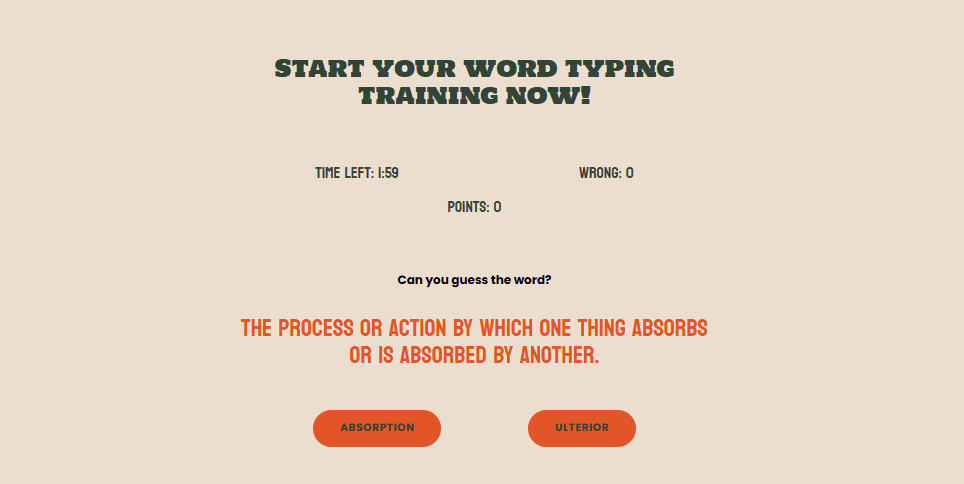
You can play directly in any browser, with no downloads or complicated setup, and each session takes only a few minutes, making it ideal for busy learners.
Used alongside speaking, listening, and reading practice, tools like Lingowar are a solid way to keep vocabulary growth consistent without burning out.
- Join Online Language Communities for Accountability
Learning alone doesn’t mean you have to feel alone. Joining online communities (forums, social media groups, language-exchange platforms) connects you with fellow learners.
It encourages accountability by fostering habits such as posting progress, sharing goals, and conducting weekly check-ins. Through these channels, your peers can correct mistakes, offer tips, or suggest resources you might miss.
Seeing others’ progress, struggles, and victories reminds you that you’re not alone, which, in turn, breeds motivation.
- Review Weekly and Adjust
Your plan shouldn’t be static. Regular review helps refine strategies.
At the end of each week (or month), reflect on:
- What you accomplished (vocabulary learned, time spent, activities done).
- What worked well and what didn’t (which methods felt effective, which drained you).
- What to adjust in the next week (change routine, increase/decrease volume, try new methods).
This habit helps you stay adaptive and prevents stagnation. It ensures your self-study plan remains aligned with your real-life schedule, energy level, and progress.
Why Self-Study Works for Language Learners
Self-study often outperforms traditional classroom-only learning because it puts the learner in control. In a classroom, you move at the same pace as everyone else, even if that pace doesn’t fit your energy or comprehension level.
When you study independently, you decide when to learn, how long to focus, and what specific areas to strengthen. That flexibility means every session becomes purposeful, rather than routine.
Another reason self-study works is the sheer amount of exposure it allows.
You can read online articles, follow podcasts, watch series, and interact on social media in your target language, all of which far exceed the limited input time found in most classroom settings. This continuous exposure helps your brain naturally internalize vocabulary, rhythm, and grammar.
How to Avoid Self-Study Burnout
Doing it all at once can quickly lead to burnout. To keep sustainable momentum with your self-study habits for language learning, follow these guardrails:
- Set realistic targets. Don’t expect to master 1,000 words in a month. Start small and build gradually.
- Balance intensity with breaks. Mix challenging activities (speaking, writing) with easier ones (listening, reading).
- Schedule rest days. Your brain needs downtime to consolidate learning. Overdoing it leads to fatigue and reduced retention.
- Change your methods occasionally. If you do flashcards every day, switch to watching a movie next time. Variety keeps motivation high.
- Celebrate small wins. Acknowledge progress, like a few new words, a successful recording, and better listening. Recognizing growth keeps you engaged.
FAQs
How many hours should I study each day to learn a new language?
There isn’t a fixed number of hours that guarantees fluency, because what truly matters is consistency, quality, and engagement. In fact, some studies suggest that focused sessions (15–30 minutes per day) often outperform longer, infrequent study blocks.
The brain retains new information better when exposed to regular, spaced learning sessions rather than one long cram session each week.
Can I become fluent through self-study alone?
Yes, you can achieve a high level of fluency through self-study, especially in vocabulary, grammar, reading comprehension, and listening. Many polyglots and advanced learners have reached impressive levels without attending traditional classes, thanks to structured study routines, immersion, and language exchange.
What are the best free tools for independent learners?
Free digital flashcard tools (for spaced repetition), podcast apps, public radio or YouTube in the target language, free language-exchange platforms, and online communities. These tools offer substantial value without cost.
How do I stay motivated when studying alone?
Set small milestones, celebrate progress, track your journey, switch between different types of practice, and engage with other learners online for accountability and encouragement.
Wrapping Up
Self-study gives you flexibility, control, and, with the proper habits, real results in language learning. If you build a routine using the habits above, you can steadily progress toward fluency.
Want more strategies? Check out our other blog post on advanced memory techniques for learners. Stay consistent. Stay curious. Keep learning.

![15 Daily Vocabulary Habits to Improve Your English Skills [Tips]](https://lingowar.com/blog/wp-content/uploads/2025/07/2.jpg)